
Real education is not about degrees — it’s about character, values, and knowing how to live life.
Education in India carries different meanings for people across various age groups.
For some, especially children, it feels like a compulsory responsibility — something everyone, whether parents or students, understands is necessary. For parents, education often represents hope, opportunity, and a pathway to a better life for their children. For students, it can be a mix of pressure, expectation, curiosity, and ambition.
Education in India is more than books, uniforms, and exams — it is a dream woven into the fabric of every household.
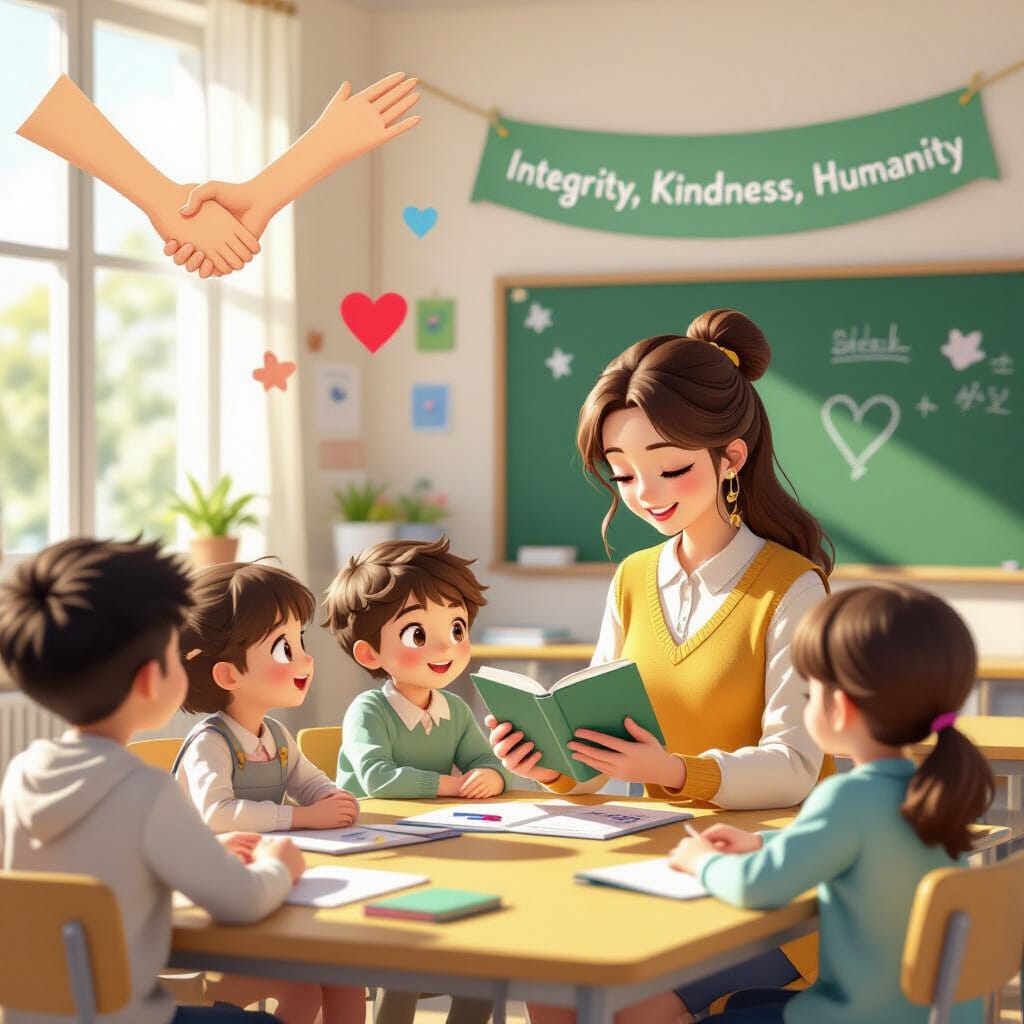
Yet, its meaning changes as we grow. For parents, education is a prayer. It is the quiet hope whispered into a child’s future — a belief that learning can open doors they themselves never had the chance to walk through. To them, education is not just compulsory; it is a promise of possibility.
For students, the journey feels different. Sometimes, education arrives wrapped in pressure, expectations, and endless comparisons. Other times, it shines with curiosity — the joy of discovering something new, of understanding a world bigger than their own. In every child’s heart, education plants the seed of ambition, telling them that no dream is too distant.
Across age groups, across cities and villages, and across cultures, one truth remains: education transforms.
It shapes identities, builds confidence, and turns ordinary lives into extraordinary stories. It asks us to rise, to question, to imagine, and to believe.
And in a country as diverse as India, where every corner carries a different struggle and a different dream, education becomes the bridge — the bridge between what we are today and what we aspire to become tomorrow.
Every parent dreams of giving their children the best education possible. They search for the top schools, reputed colleges, and trusted institutions. They invest their hard-earned money, their time, and their hopes — all to ensure their child receives every opportunity to succeed. Whatever is required for a “better education,” they provide without hesitation.
But somewhere along the way, we forget a truth that life eventually teaches us: academic education alone is not enough to achieve real success.
Because success isn’t built only in classrooms; it grows in the minds and hearts of people who understand the true concept of living.
Those who learn how to handle life — with patience, balance, and clarity — are the ones who feel more relaxed, more satisfied, and more confident. They carry an understanding that marks the difference between merely surviving and truly living.
Textbooks teach lessons, but life teaches meaning.
And the people who grasp this meaning early — the right concept of life — walk with a unique strength. They know when to pause, when to push, when to trust, and when to let go. Their education is not limited to degrees; it expands into wisdom.
In the end, every parent wants success for their child.
And true success lies in blending knowledge with understanding, ambition with inner peace, and achievement with purpose. When children learn not just how to succeed, but how to live — that is when education becomes complete.
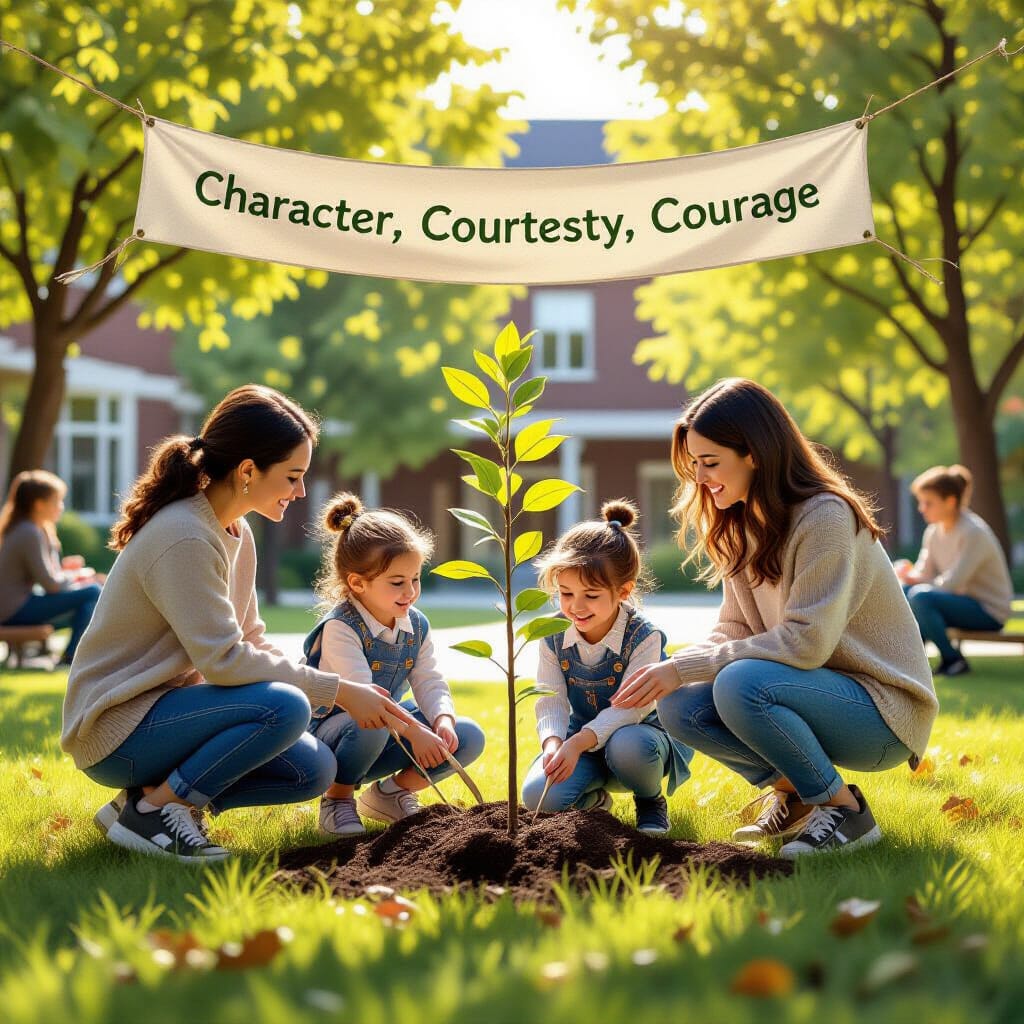
In the eyes of society, education often becomes a pathway to mastering certain skills — to become a doctor, an engineer, a businessman, a teacher. And yes, the world is full of institutions that can shape you into any profession you choose. They can train your hands, sharpen your mind, and prepare you for a career.
But there is one thing no institution teaches: the right way to live this life.
You can educate a child to become a doctor, but you cannot teach them kindness by giving them a degree. You can prepare someone to be an engineer, but you cannot build good nature within them using textbooks or exam papers.
Skills can be taught — but character must be nurtured.
This is where the true gap in our understanding of education lies.
We equip people with knowledge, but not always with wisdom. We teach them how to earn a living, but rarely how to create a meaningful life. We show them how to succeed professionally, but not how to stay humble, calm, compassionate, or fulfilled.
Real education goes beyond classrooms.
It includes patience, empathy, discipline, self-awareness, and the courage to choose what is right. These qualities are not learned from institutions but from life itself — from experiences, values, and the environment we grow in.
In the end, the world needs skilled people, yes — but it also needs good human beings.
When professional education is supported by emotional understanding and strong character, that is when a person truly shines.
People who understand the concept of living a fulfilling life are more relaxed, satisfied, and confident, embracing the right concept of life.
A truly wise person always wishes for one thing above all:
“Let my child be a kind human being first.”
Only then comes the desire to see them as a doctor, engineer, or anything else. Because personality comes before profession. It is a person’s character that decides how beautifully they will carry their career, not the other way around.
A child with honesty will grow with integrity.
A child with kindness will become a healer in any field.
A child with humanity will bring light wherever they go.
These qualities — honesty, kindness, humanity — are not just virtues; they are the primary needs of life. They are the roots that keep a person grounded, balanced, and capable of true success. Morality is what shapes a life toward a brighter future—far more than marks, ranks, or degrees ever can.
And for this, a family doesn’t need big money.
Better education is not always about expensive schools or prestigious institutions. True education begins at home — in conversations, in daily habits, in the values parents gently plant in their child’s heart.
Parents must work not only on academic growth but also on the child’s personality.
They should teach what life truly is, what values matter in this world, and what purpose we should live for. When a child understands these things, their personality forms with strength, clarity, and compassion.
Such a child will not only achieve success…
They will deserve it.
They will not only rise in their profession…
They will uplift others along the way.
Because the greatest education is not just about making a living —
it is about learning how to live.
In the end, education is not just about shaping brilliant minds — it is about shaping beautiful lives. Degrees may open doors, but character decides how far a person will go beyond that door. The world may admire qualifications, but it remembers kindness.
If we want our children to shine in their careers, we must first help them shine in their character. When knowledge and values walk side by side, success becomes natural — not forced.
Because true education begins long before school, and continues long after the final exam.
It begins at home, in our values, and in the way we teach our children to live.
A good personality will guide a profession —
But a profession can never build a personality.
Happy Learning :
How to Start Working from Home: 10 Legit Ways to Earn Money Online. Click here
How to grow a YouTube channel in 2025. Click here